
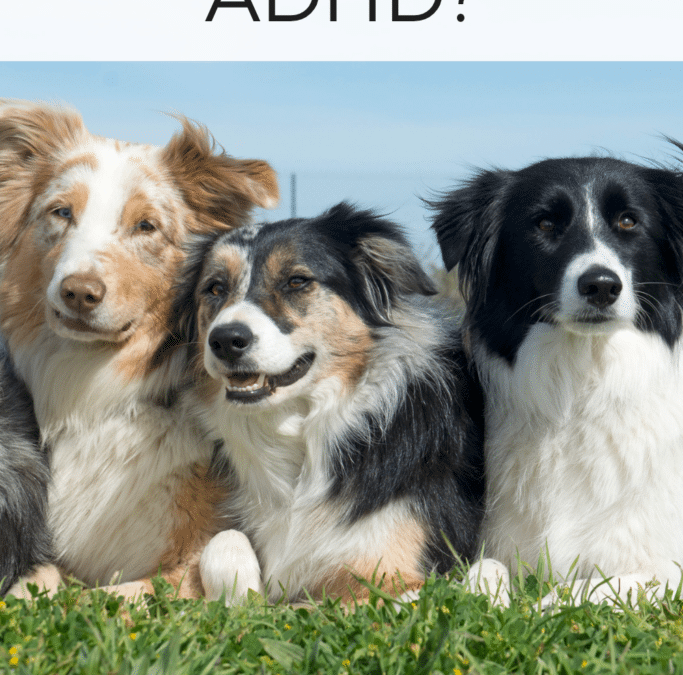
A few days ago, as Stola bounced from one impulsive behavior to another–ripping the couch, chasing the cat, jumping on everyone, nipping, repeat 100 times–I muttered to John, “Is there any chance they make stimulants for dogs?”
And then I wondered: Can dogs even have ADHD?
So, of course, I dug into the question and in this article, I’ll break down some key definitions, look at considerations, and discuss the inherent problems with the existing research. But, before we dig in, two notes:
Do not give your dog stimulants. If you or your kid takes ADHD meds, don’t give them to your dog. Ever. Consult with your vet for a diagnosis and plan.
I am not a vet. This post is for informational purposes only.
So, let’s dig into the big question: Do dogs get ADHD?
First, some definitions:
Before we get into the nitty-gritty about ADHD, it’s important to remember that ADHD is simply one neurotype, and there are many, many neurotypes. So, three things we need to understand before we dig into our dogs’ neurotypes:
Neurotype: Everyone has a specific neurotype. It’s the way your individual brain processes information, sensory input, and communication. Neurotypes exist on a spectrum. On one end is what is considered “neurotypical,” which simply means that it’s a brain with typical neurological development and the ability to align with societal and cultural expectations. The rest of the spectrum is what’s considered “neurodivergent,” which just means anything different from that neurotypical brain. Nearly everyone falls outside the typical range, some more than others.
Neurodiversity: Simply put, this means the huge spectrum of different brains. It encompasses all the ways each unique brain interacts with, understands,